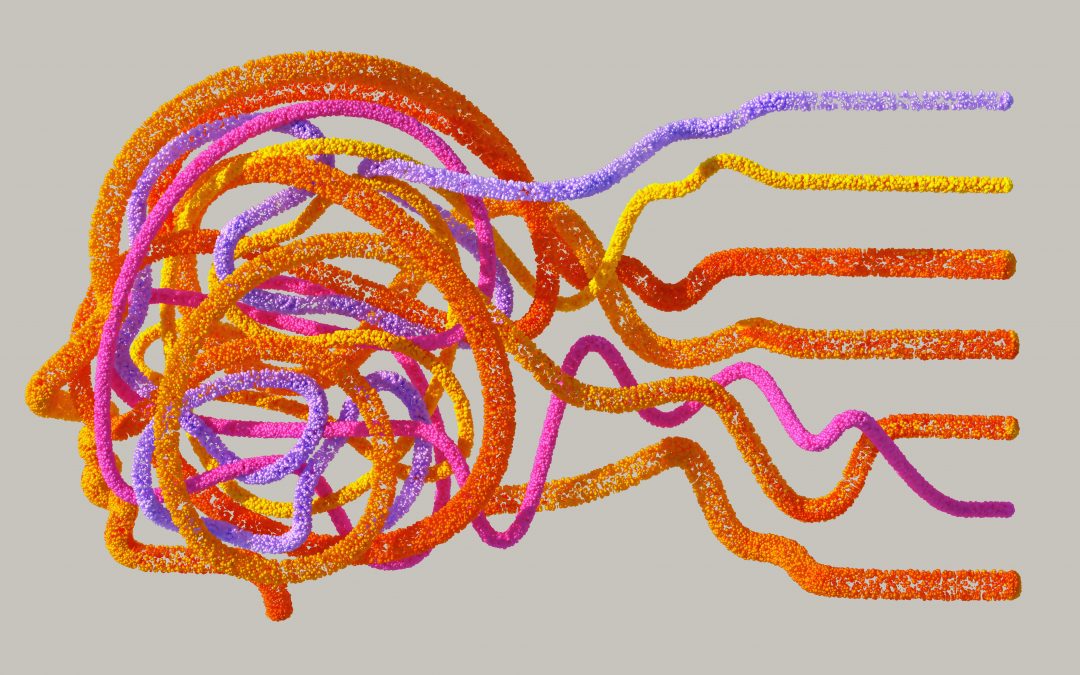
Understanding Anxiety Response
Anxiety can make even the calmest person feel as if they’ve accidentally pressed a mysterious red button somewhere inside the body. One minute you’re fine, the next your heart is racing, your chest tightens, and your mind is convinced that the sky must be falling. However, the truth is far less dramatic. Your nervous system is simply doing exactly what it was designed to do. It just hasn’t had the memo that you’re trying to live a modern life rather than trying to outrun a sabre toothed tiger.
Let me break it down in a way that’s easy to understand and even easier for you to remember.
The Two-Part System Running the Show
Your nervous system has two main branches that matter most when we talk about anxiety.
The sympathetic nervous system
This is your internal alarm system. Its sole job is to protect you and keep you safe. When it senses something threatening, it pulls the fire alarm and gets your body ready to act. That means faster breathing, a racing heart, tense muscles, and a brain that suddenly becomes very interested in the worst case scenarios.
The parasympathetic nervous system
This is the calming crew. It slows things down so that you can rest, think clearly, and get on with your day without feeling like a shaken can of Irn-Bru. When this part of your system is running well, your body feels settled and grounded.
Anxiety happens when the alarm system gets a bit trigger happy and the calming crew can’t get a word in edge ways.
Why Your Alarm System Trips So Easily
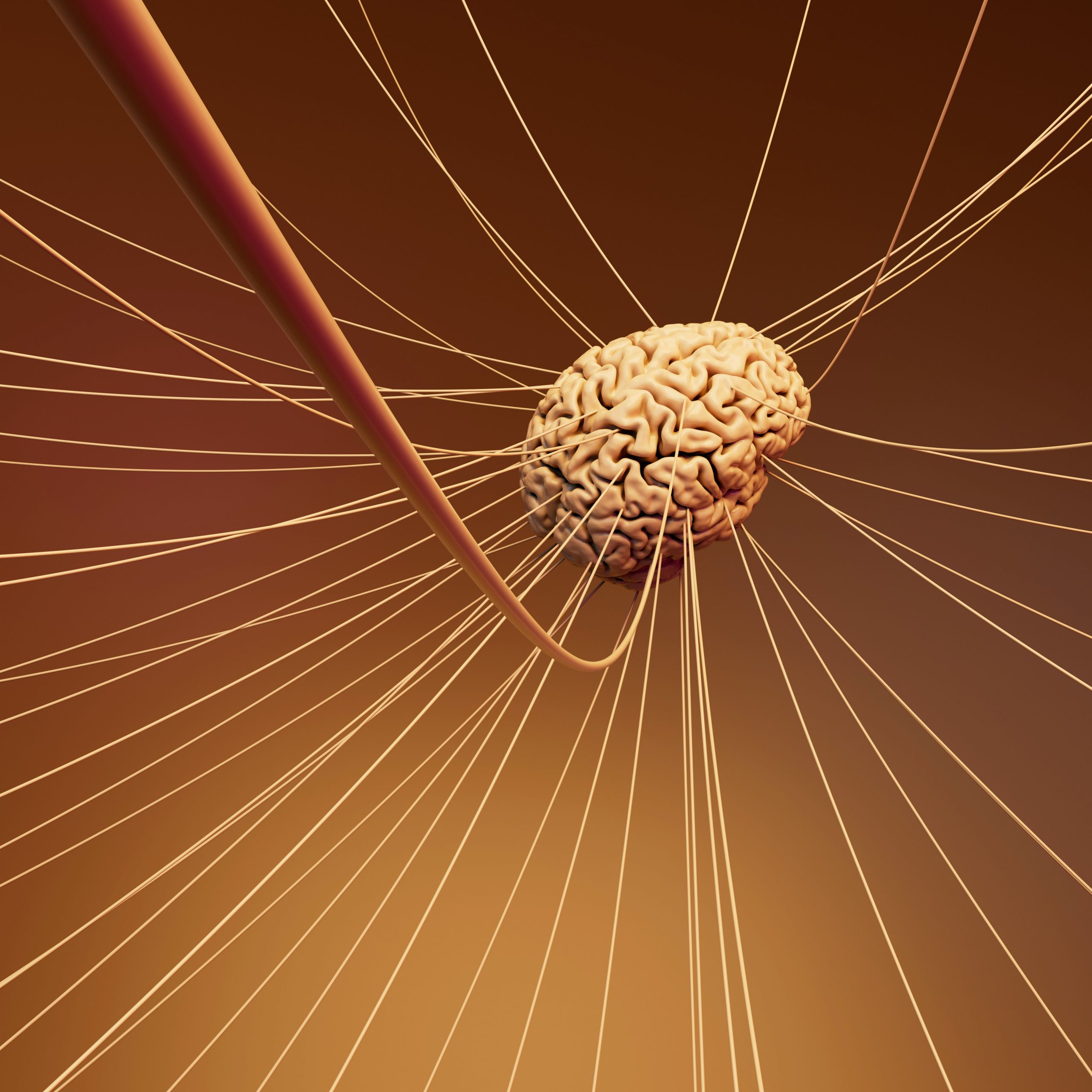
Your brain has a tiny structure called the amygdala. Its responsible for processing emotions, particularly fear and anxiety. It also plays a key role in the brains “fight or flight” response. (Sympathetic Nervous System). Think of it as the security guard who is very committed to their job. So committed, in fact, that it sometimes points at a shadow, a memory, or a tone of voice and declares it a code red emergency.
When that happens, your amygdala sends an instant message through your body telling it to prepare for action. This is why your thoughts might not even make sense. Your body has already reacted before your logical brain has had time to join the meeting.
It’s not weakness. It’s biology doing what biology does.
What Anxiety Feels Like in the Body
Once the sympathetic system jumps in, you might notice:
-
Tight chest
-
Racing heartbeat
-
Shallow breathing
-
Nausea
-
Shaking
-
Hot flushes or cold sweats
-
Feeling detached or overwhelmed
-
Thoughts that run faster than a toddler with scissors
None of this means danger. It simply means your system thinks that you might need to act.
The Calming Crew and How to Bring It Back Online
The parasympathetic system can be encouraged to step in. The trick is to remind your body that you are safe, even if your mind is trying to convince you otherwise.
Some gentle ways to help:
-
Slow, smooth breathing
-
Grounding exercises
-
Soft movement
-
Touching something cold or textured
-
Mindfulness
-
Breathwork
-
Havening or other soothing sensory practices
- Vagus Nerve stimulation
Think of these as tapping the shoulder of your internal security guard and saying, “All good here. You can stand down.”
The Big Message
Anxiety isn’t a sign that you’re spiralling or failing. It’s simply your nervous system doing its best with what it thinks it knows. When you understand how it works, you can work with your body rather than feeling trapped inside it.
And if you’d like support calming your system, releasing stored stress, or learning how to retrain that overenthusiastic internal alarm, you’re always welcome to reach out. You’ll find everything you need at my website or even some videos of techniques to help on my YouTube channel
